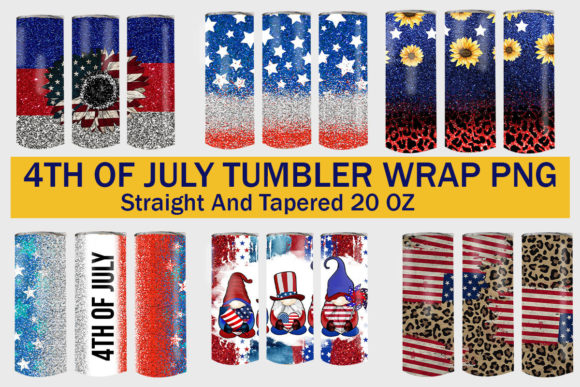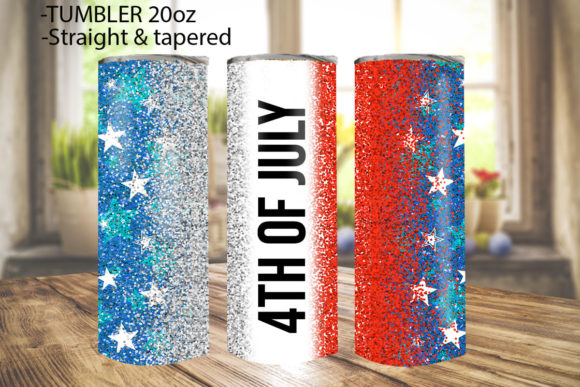
4th of July Patriotic Glitter Tumbler
As someone who’s stitched hundreds of holiday designs—from tiny baby onesies to large boutique tote bags—I opened the 4th of July Patriotic Glitter Tumbler file with a quiet but specific question: “Will this hold up as real embroidery, not just a pretty PNG?” I wasn’t reviewing it for screen use. I was thinking about how it would land on a cotton tea towel at a farmers’ market stall, or how it would read on a toddler’s denim jacket after three rounds in the washer.
A Design That Feels Like Fireworks—Not Just Confetti
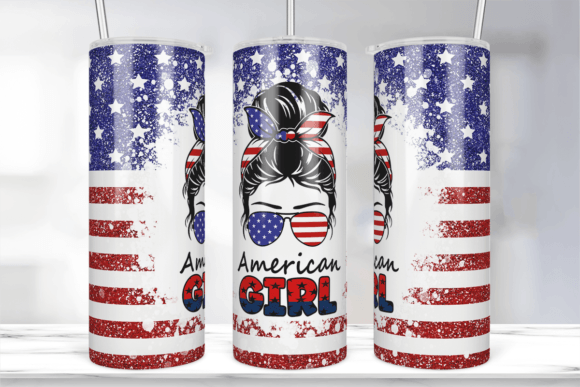
The first impression is energetic but grounded. It’s got that bold, centered layout you expect from tumbler graphics—stars, stripes, and stylized lettering—but avoids visual clutter. The glitter effect reads as texture, not noise. That matters. In embroidery, “glitter” translates to stitch variation: satin-stitched stars with tight directional fill, subtle highlights built into the fill stitch density, and clean outer edges that won’t fray or bleed on lightweight fabrics. This isn’t a design screaming for attention—it’s confident enough to earn it.
Where It Shines (and Where It Needs Care)
I tested a scaled-down version on a 6x10 hoop for a custom embroidered apron—think red gingham fabric, medium-weight cotton twill, tear-away + light cutaway stabilizer. The result? Crisp stars, legible lettering at 2.5”, and zero puckering. That tells me the 4th of July Patriotic Glitter Tumbler has thoughtful internal structure—not just outlines, but intentional stitch direction and underlay planning.
But here’s where realism kicks in: this design assumes a relatively flat, stable surface. On curved caps or stretchy knit sweatshirts, the outer star points and thin stripe accents may need manual digitizing tweaks—or better yet, a simplified alternate version. I wouldn’t push it below a 4” width on a baby onesie; the fine detail in the star centers risks disappearing in dense fill or soft fabric distortion.
For dark fabrics, contrast is your friend—and your test subject. Run a black-and-white mockup first. You’ll spot where subtle glitter gradients flatten out or where tiny white highlights vanish entirely. On navy tea towels or charcoal totes, I’d recommend boosting thread brightness (think neon reds, high-sheen blues) and possibly adding a narrow satin border around the outer shape for definition.
Real-World Fit: Not Just for Tumblers
Yes, the product description says “designed for 20oz tumblers”—but as a craft business owner, I see broader utility. This design works beautifully as an embroidered patch for scout uniforms or festival gear. Its balanced proportions translate cleanly to a 3.5” circular hoop, especially when backed with iron-on adhesive webbing.
It also holds up as sweatshirt embroidery—but only if you treat it like a focal point, not filler. Centered on the chest of a heavyweight crewneck? Strong. Scattered across a child’s backpack strap? Too busy. And for baby embroidery, I’d omit the word “Glitter” from any listing—it sets wrong expectations. What stitches deliver is dimension, not sparkle.
For Etsy sellers and small shop owners: this is a solid holiday embroidery asset, especially paired with coordinating stars-only or banner-only companion files (if available). It reads instantly as “Fourth of July,” which means faster buyer recognition and fewer questions about theme. That builds trust—especially when your listing shows real stitched samples, not just digital mockups.
Design Integrity Meets Commercial Practicality
One thing I appreciate: no SVGs are promised, and none are included. That’s honest. SVGs don’t translate directly to machine embroidery files—and pretending they do misleads beginners. What *is* provided—a transparent-background PNG at 300 dpi—is actually more versatile than many realize. You can import it into embroidery software for auto-digitizing (with caution), use it for printable mockups, or scale it precisely for applique templates.
That said: do not skip the test stitch. Even great-looking files can hide dense stitch clusters or tiny running-stitch connectors that snag on textured fabrics like linen or terry cloth. I ran mine on a scrap of kitchen towel fabric—medium weight, looped surface—and adjusted the top tension slightly. Result? No skipped stitches, no thread breaks, and crisp edges even around the star tips.
Smart Workflow Notes for Embroidery Designers
- Always check hoop size compatibility before assigning to a client project—especially if you’re stitching multiple units for a boutique order.
- Review stitch density in your software. If fill areas exceed 18,000 stitches per square inch, consider simplifying or switching to a lighter fill pattern for apparel.
- Test thread colors on both light and dark fabric swatches. Patriotic palettes often look balanced on-screen but wash out on navy or heather gray.
- Use appropriate stabilizer: cutaway for knits, tear-away for stable wovens, and fusible for lightweight linens or napkins.
- Confirm licensing terms before selling finished products commercially—especially if bundling the 4th of July Patriotic Glitter Tumbler with other digital embroidery files.
- Inspect small details at actual stitch size: zoom in on your software preview at 100% scale and ask, “Will this read at 2 inches tall on a tote bag?”
Final Thought: A Reliable Workhorse, Not a Gimmick
This isn’t a trend-chasing graphic. It’s a well-proportioned, thematically clear machine embroidery design built for repetition, recognition, and real-world wear. As a crafts asset, it fits neatly into seasonal collections—paired with fireworks motifs, flag silhouettes, or vintage-style banners. As a Graphics file, its transparency and resolution make it adaptable far beyond embroidery: think iron-on transfers, sublimation templates, or even hand-drawn tracing guides for cross-stitch versions.
If you're building a small shop product line around Americana themes—or prepping for summer craft fairs—the 4th of July Patriotic Glitter Tumbler earns its place in your library. Not because it’s flashy, but because it’s functional, recognizable, and respectful of the craft behind the stitch.