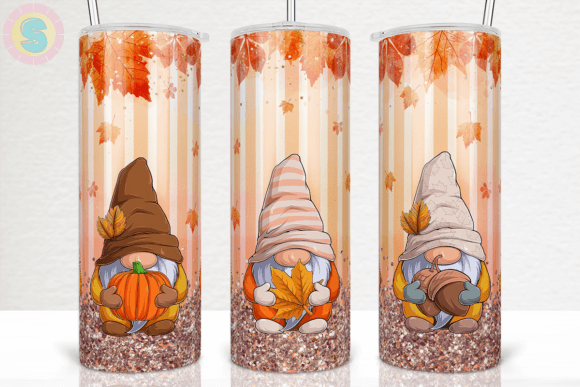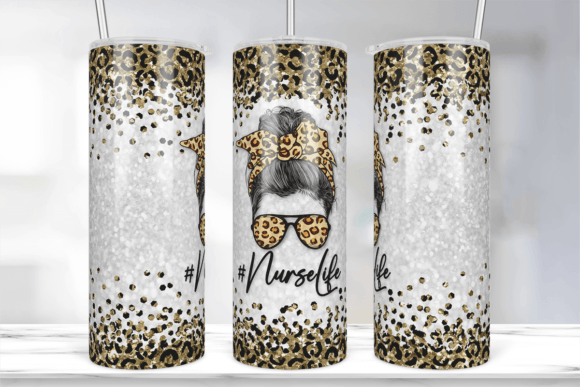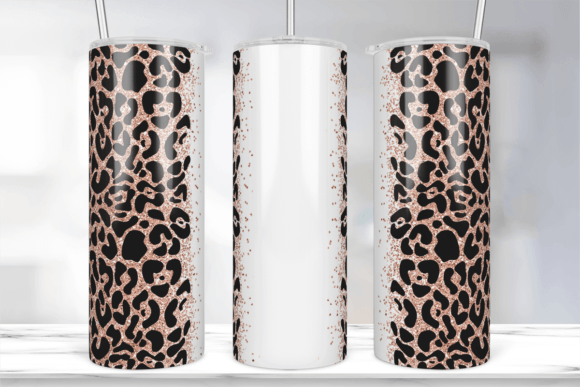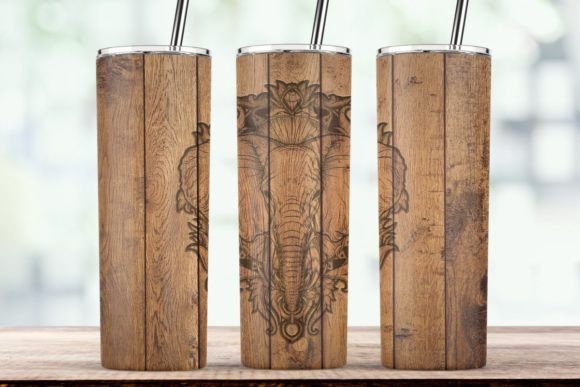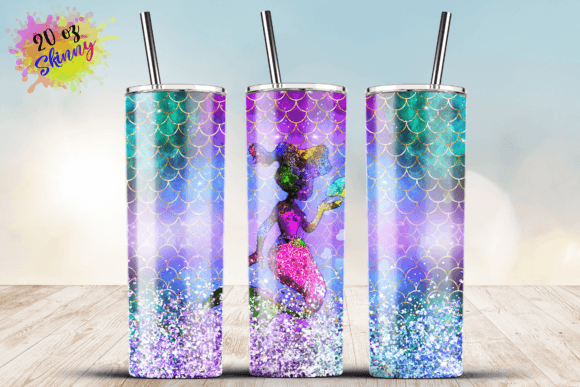
Glitter Mermaid Tumbler 20oz Wrap
A Designer’s First Glance: Whimsy with Purpose
Opening the Glitter Mermaid Tumbler 20oz Wrap file, I immediately notice its confident silhouette — a clean, vertical wrap layout built for rhythm and flow, not just decoration. It’s not just “mermaid” — it’s *glitter* mermaid: layered curves, subtle scale texture, and intentional negative space that invites shimmer thread or metallic bobbin work. As a designer who’s stitched hundreds of mermaid motifs for baby onesies, boutique aprons, and Etsy sweatshirt bundles, this one stands out for how well its proportions suit real-world embroidery surfaces — especially curved or tapered items like tumblers, but also tote bags and pillow covers where vertical balance matters.
Where It Shines (and Where It Needs Thought)
I recently tested the Glitter Mermaid Tumbler 20oz Wrap on a medium-weight cotton twill tote for a local children’s boutique launch. The design scaled beautifully across the front panel without distortion — no stretching, no awkward cropping. Its moderate stitch density held up under standard tear-away stabilizer, and the satin-stitched tail details stayed crisp, even at 8.5 inches tall. That said, I wouldn’t recommend it for ultra-fine baby onesies or lightweight rayon tees without adjusting stitch count or adding cut-away backing. The glitter-effect elements rely on tight fill stitches — lovely on stable fabrics, but prone to puckering on stretchy or loosely woven surfaces.
For custom apparel like crewneck sweatshirts or unisex tees, the wrap’s vertical orientation works best centered on the left chest or back yoke — not full-front. On caps? Proceed with caution. The top curve of the mermaid’s hairline and the bottom fin taper demand precise hooping; I’d suggest using it only on structured, pre-hooped cap frames with heavy stabilizer support. And while it reads clearly in mockups, always test the Glitter Mermaid Tumbler 20oz Wrap on scrap fabric first — especially when pairing with dark thread on light fabric or vice versa. Some glitter accents lose definition if contrast is too low.
Fabric & Function: Matching Design to Real Use
This isn’t a “one-size-fits-all” embroidery file. Its strength lies in intentionality: it was clearly drawn for smooth, moderately textured substrates — think canvas totes, denim jackets, tea towels, and structured nursery pillows. On kitchen towels, the mermaid’s flowing lines echo water movement, reinforcing theme and tactility. On baby swaddles? Only if used as a small-scale appliqué design with simplified fill areas — the original file includes fine interior details better suited for 4-inch+ hoops and stable backing.
For holiday embroidery or personalized gifts — say, a mermaid-themed birthday tote for a 7-year-old — the Glitter Mermaid Tumbler 20oz Wrap adds instant charm without looking mass-produced. Its hand-drawn energy reads as handmade, not clip-art. But don’t assume it’ll translate cleanly to highly textured fabrics like bouclé knit or corduroy without reducing fill density or switching to running stitch outlines. Likewise, dense satin-stitched sections may snag on brushed fleece or fuzzy sherpa — consider converting those areas to open fill or stipple in your editing software before stitching.
Commercial Use & Craft Business Reality
As an Etsy seller and small shop product developer, I pay close attention to how a digital embroidery file supports brand consistency and buyer trust. The Glitter Mermaid Tumbler 20oz Wrap delivers strong visual recognition — distinctive enough to become a signature motif across a line of mermaid-themed goods (towels, patches, aprons). That consistency builds repeat customers. But here’s the practical note: because this is a Graphics listing in the Crafts category, confirm licensing terms before bundling it into kits, selling finished embroidered patches, or offering it as part of a subscription box. Some digital embroidery files permit personal use only — others allow commercial embroidery of finished products, but prohibit resale of the file itself. Always verify before scaling.
Design Workflow Tips Every Embroiderer Should Try
- Test on scrap fabric first — especially with metallic or high-sheen threads, which behave differently than standard polyester.
- Review stitch density visually — zoom in on the file in your embroidery software. If glitter-effect zones look overly saturated, reduce fill density by 10–15% for breathability and wash durability.
- Confirm hoop size compatibility — this design fits comfortably in a 5x7 hoop, but check whether your machine requires repositioning for taller elements.
- Inspect small details at actual stitch size — tiny star accents or fin highlights may vanish on thin fabric unless stabilized properly.
- Try black-and-white mockups — helps assess contrast and legibility on both light and dark backgrounds.
- Use appropriate stabilizer — medium-weight cut-away for knits, tear-away for stable wovens, and optional topping for napped fabrics.
- Compare performance across thread colors — some glitter effects read best in silver, pale aqua, or rose gold, not just classic navy or black.
Final Thoughts: A Thoughtful Addition to Your Design Assets
The Glitter Mermaid Tumbler 20oz Wrap isn’t flashy for flashiness’ sake — it’s balanced, scalable, and purpose-built for makers who care about how their finished product feels in hand and reads at a glance. It elevates a simple tote into a personalized gift. It adds quiet magic to a nursery pillow without overwhelming the space. And for craft business owners, it’s a reliable, theme-driven asset that supports cohesive collections — as long as you respect its natural boundaries: stable fabric, moderate hoop size, and thoughtful thread selection. Whether you’re stitching for joy, gifting, or growing a small shop, this embroidery file earns its place in your library — not as filler, but as a considered design choice.