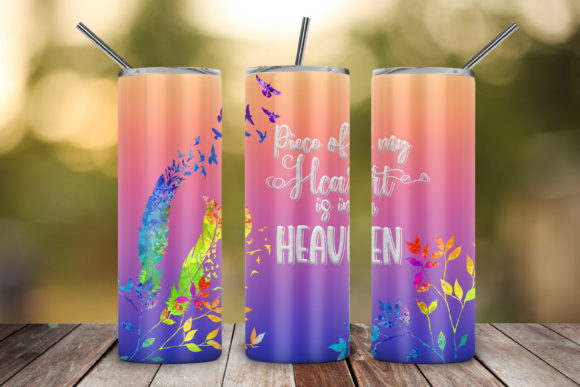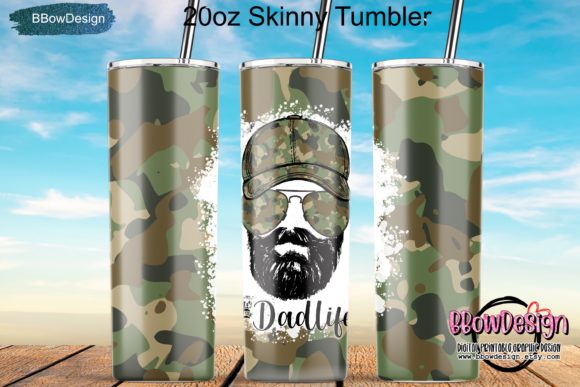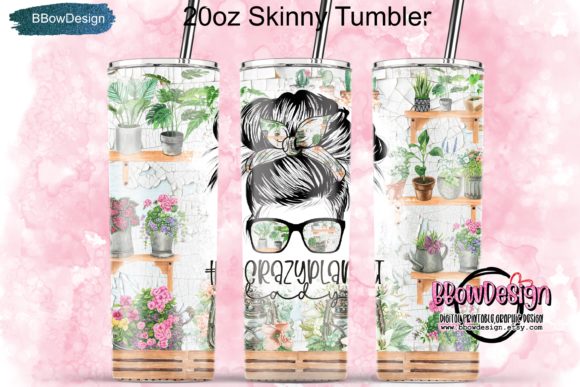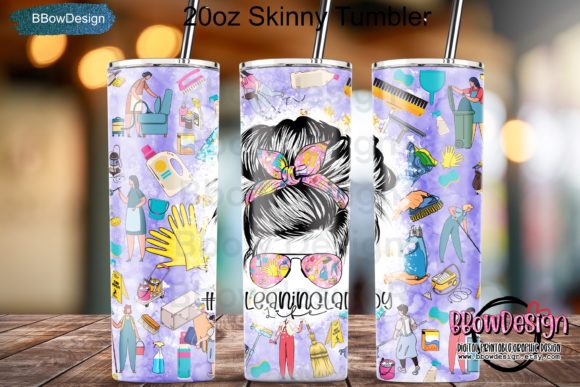
Cleaning Lady Life 20oz Skinny Tumbler
First Impressions: A Playful, Relatable Vibe — But Is It Embroidery-Ready?
When I opened the Cleaning Lady Life 20oz Skinny Tumbler file, I didn’t see just another “mom life” graphic — I saw a design with clear personality: relaxed, slightly cheeky, and warmly grounded in real daily rhythm. The “Mom Messy Bun” motif paired with “Housekeeping Life” text feels authentic, not forced. As an embroidery designer who’s stitched hundreds of lifestyle-themed projects, I immediately asked: Will this translate cleanly into thread? The answer isn’t yes or no — it’s “Yes — if you choose the right application.”
A Real Project Moment: Stitching It on a Linen Apron for a Local Cleaning Business
Last week, I used the Cleaning Lady Life 20oz Skinny Tumbler as the centerpiece for a custom linen apron ordered by a small eco-cleaning service. They wanted something that felt professional but human — not corporate, not cutesy. I resized the design to fit a 4x4 hoop, kept the lettering bold and uncluttered, and opted for matte cotton thread on natural linen. The result? A finished product customers paused to smile at — and several asked where to buy one. That’s the quiet power of this design: it lands emotionally first, then technically.
Where It Shines in Embroidery Projects
- Custom apparel: Works beautifully on sweatshirt cuffs, tote bag corners, or the chest pocket of a denim jacket — especially when scaled to 3–3.5 inches wide.
- Embroidered patch: Clean outlines and moderate detail make it ideal for iron-on or sew-on patches (just add a satin stitch border for durability).
- Baby embroidery: Softened with pastel thread on organic cotton onesies — the “Housekeeping Girl” variant reads gently, not generically.
- Holiday embroidery: Paired with subtle snowflakes or holly sprigs, it adds charm to kitchen towels or oven mitts for gift sets.
- Small shop product: Perfect for boutique-branded tea towels or reusable produce bags — it signals care without shouting.
Where to Use It Thoughtfully (Not Blindly)
The Cleaning Lady Life 20oz Skinny Tumbler isn’t built for every surface — and that’s okay. Here’s where I pause before stitching:
- Small hoop sizes under 3 inches: Fine lettering may lose legibility. Simplify or omit secondary text lines if needed.
- Textured fabrics like terry cloth or heavy burlap: Dense fill areas can blur. Reduce stitch density or switch to a looser fill stitch pattern.
- Stretchy fabric (e.g., ribbed knit tees): Requires cutaway stabilizer + gentle hooping — test first to avoid puckering around curved elements like the bun silhouette.
- Dark fabric: Light-colored thread works, but avoid pale yellow or cream unless you’re using high-contrast underlay. Test mockups in grayscale.
- Curved surfaces (caps, mugs, tapered tumblers): Remember — this is a graphic, not a pre-distorted wrap. For actual tumblers, you’ll need to adapt it manually or pair it with sublimation prep.
What It Adds to Your Handmade Product — and What It Doesn’t
This design elevates perceived value because it feels intentional, not clip-art. When stitched cleanly on a well-chosen base (like a heavyweight canvas tote or midweight cotton apron), it says: “This was made for someone who gets it.” Customers recognize sincerity — and that builds trust faster than any tagline. It also supports brand consistency for craft businesses focused on home, wellness, or service-based pride.
But it won’t magically fix poor execution. If your stitch density is too high on thin fabric, the design buckles. If you skip stabilizer on knit, the text warps. And while it’s versatile, it doesn’t replace thoughtful color pairing — try it in navy thread on oatmeal linen, or charcoal on heather grey — not just black on black.
Practical Embroidery Designer Notes You’ll Actually Use
- Always test on scrap fabric first — especially with the “Messy Bun” silhouette, which has subtle curves that behave differently on woven vs. knit.
- Check thread color contrast before stitching full production. A warm taupe reads differently on ivory vs. oatmeal.
- Review stitch density — if your machine struggles with dense fills, simplify background elements or convert them to running stitch outlines.
- Confirm hoop size compatibility — this design scales well, but don’t force it into a 2.5-inch hoop without simplifying details.
- Inspect small details — the tiny “bun” loop and lowercase “g” in “Housekeeping” are charming but fragile. Zoom in on your embroidery software.
- Test in black-and-white mockups — helps spot unintended visual weight imbalances before stitching.
- Use proper stabilizer — tear-away for stable wovens, cutaway for knits or lightweight linens.
- Verify licensing — since this is a digital embroidery file sold as a Graphics asset, confirm whether commercial use (e.g., selling finished embroidered items) is permitted by the seller.
Final Thought: A Design That Earns Its Place
The Cleaning Lady Life 20oz Skinny Tumbler isn’t flashy — and that’s its strength. It fits quietly into real life: on a coffee-stained apron, a baby’s bib, a holiday gift bag, or a small shop’s shelf tag. As a designer, I reach for it when authenticity matters more than trendiness. It doesn’t ask to be the loudest thing in the room — just the truest. And in embroidery, where every stitch carries intention, that’s exactly what makes a design worth keeping.